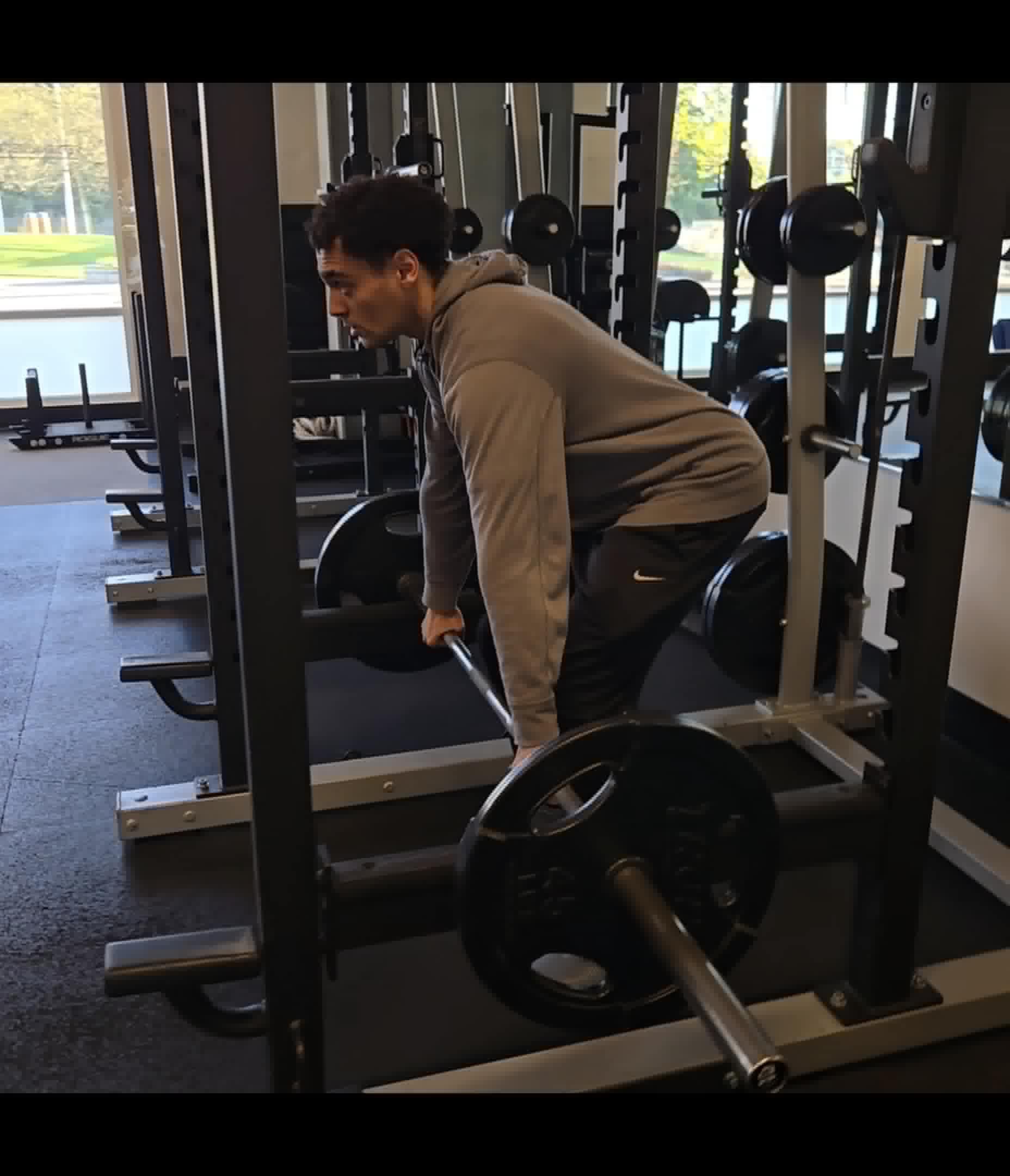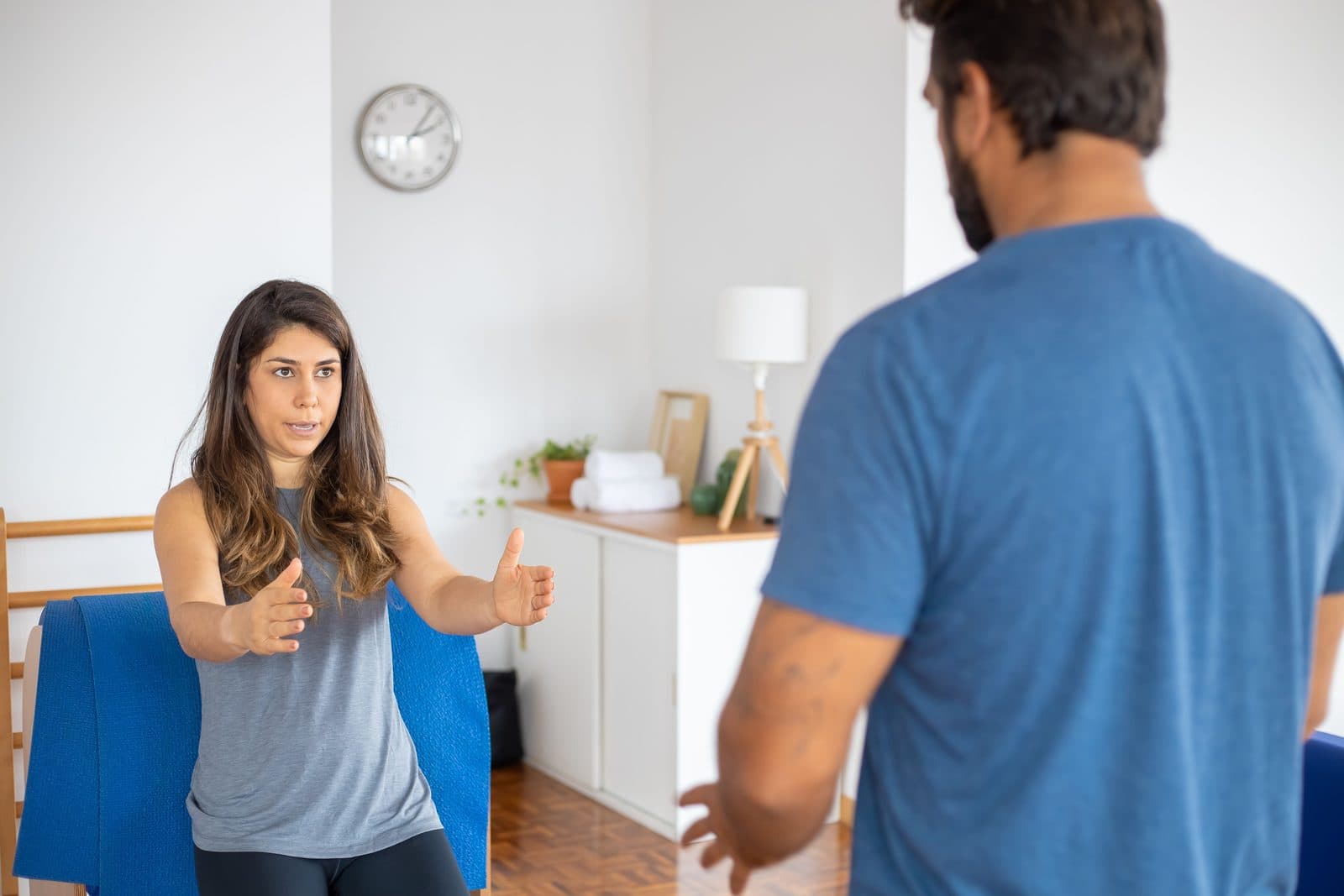
Coach reviewing movement with a client in a home training space

How it works

A simple way to start training at home

See exactly what happens from the moment you request an assessment through ongoing sessions, progress reviews, and plan adjustments.
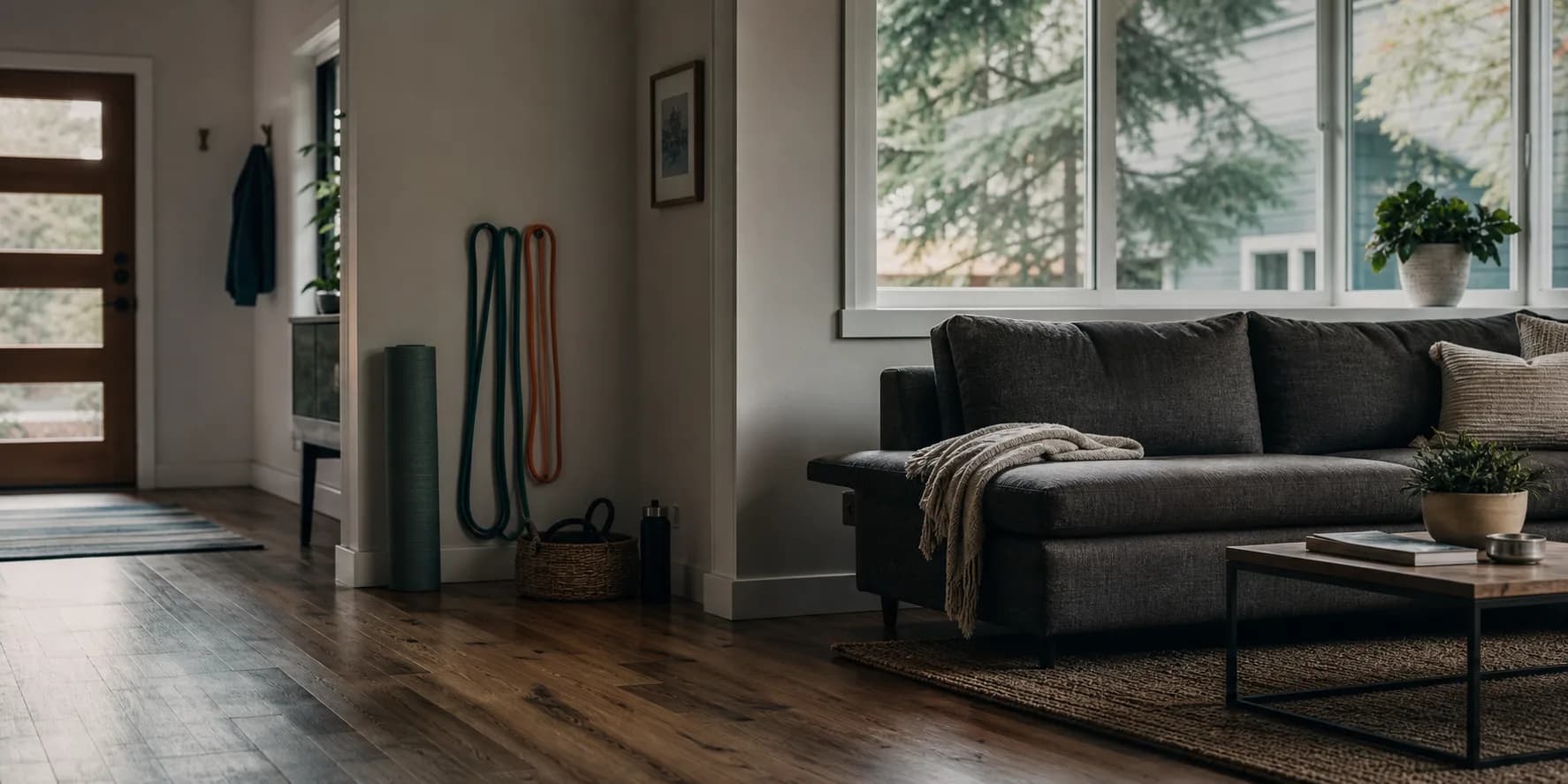
A home interior with simple training equipment ready for an in-home assessment

How it works

How it Works

See how to start with Sound Fitness, what in-home sessions include, realistic improvement timelines, and how training progress is measured.
Take the online assessment

Step one happens online, before anyone visits — it takes a few minutes and keeps the plan practical: where you train, how often you can show up, what feels limited, and what kind of support would help most.

  • Answer a few questions online about your goals, schedule, training history, equipment, and the kind of coaching support that would be most useful.

Your coaching journey

Six purposeful steps from uncertainty to real momentum

Start without pressure, build from a clear baseline, and keep improving with a coach who measures what matters and adapts the plan around your life.

01

1. Start with clarity—free

Complete the short online assessment with your goals, training history, schedule, service location, home setup, and anything that would help a coach prepare. It is free, no card is required, and you are not choosing a package yet.

  • Use the online form at any time
  • Share only the context needed to plan a useful reply
  • Ask questions before committing to anything
Start your free assessment

Showing 1. Start with clarity—free

Working together

What to expect once training begins

You should know what your coach is doing, what each session is for, and how the plan responds when your body or calendar changes.

01

Before each session

Your coach prepares the next useful step

The plan starts with your assessment and the last session—not a random workout. Your coach reviews goals, recent progress, energy, schedule changes, and the space or equipment available that day.

02

During a typical 50-minute session

You train while your coach manages the details

Expect a short check-in, movement preparation, the main strength or mobility work, real-time form coaching, and adjustments to load, range, pace, or exercise choice when your body gives new information.

03

Between sessions

The plan keeps moving even when life changes

Your coach records what happened, updates progressions, and gives practical between-session actions when they help. Travel, soreness, schedule pressure, or new medical guidance can change the next session without erasing the larger goal.

Card 1 of 3

Progress roadmap

A realistic timeline for improvement

Progress is not identical from person to person, but a useful plan should make the next milestone visible instead of leaving you to guess whether the work is doing anything.

1

Sessions 1–2

Establish the baseline

Learn the main movements, find useful starting loads and ranges, and leave with a clearer sense of what the plan is building toward.

2

Weeks 2–4

Make the routine repeatable

Technique, confidence, and session flow usually become more familiar. Early wins may be better control, less guesswork, or completing work that initially felt uncertain.

3

Weeks 4–8

Look for measurable capacity

Consistent clients may begin seeing clearer trends in reps, load, range of motion, balance, work capacity, or how demanding everyday tasks feel.

4

Months 2–3+

Build changes that hold up

Longer runways create more room for durable strength, balance, mobility, body-composition, or performance changes and for the habits that help those gains last.

Card 1 of 4

These are planning windows, not promises. Training frequency, starting point, recovery, sleep, nutrition, stress, and medical factors all affect pace. Pain, injury, and rehabilitation decisions should stay coordinated with the appropriate licensed clinician.

Progress tracking

How improvement is measured

Your coach records what changes from session to session and periodically revisits the markers chosen during the assessment. The useful measure is the trend—not one unusually good or bad day.

Training numbers

Reps, resistance, time, range, tempo, and the amount of work completed with good form.

Movement quality

Control, balance, coordination, confidence, and whether fewer modifications are needed.

Real-life outcomes

Stairs, carrying, floor transfers, travel, hobbies, sport, or another task you chose at the assessment.

Consistency and recovery

Attendance, energy, tolerance, soreness patterns, and whether the plan still fits your actual week.

Card 1 of 4

Free in-home assessment

Ready for a plan that fits your home and schedule?

Start with the free in-home assessment. For quick questions, use the text option next to it and Sound Fitness will point you in the right direction.

Start your free assessment
Text "START"(253) 449-7862Use your phone to text START.